
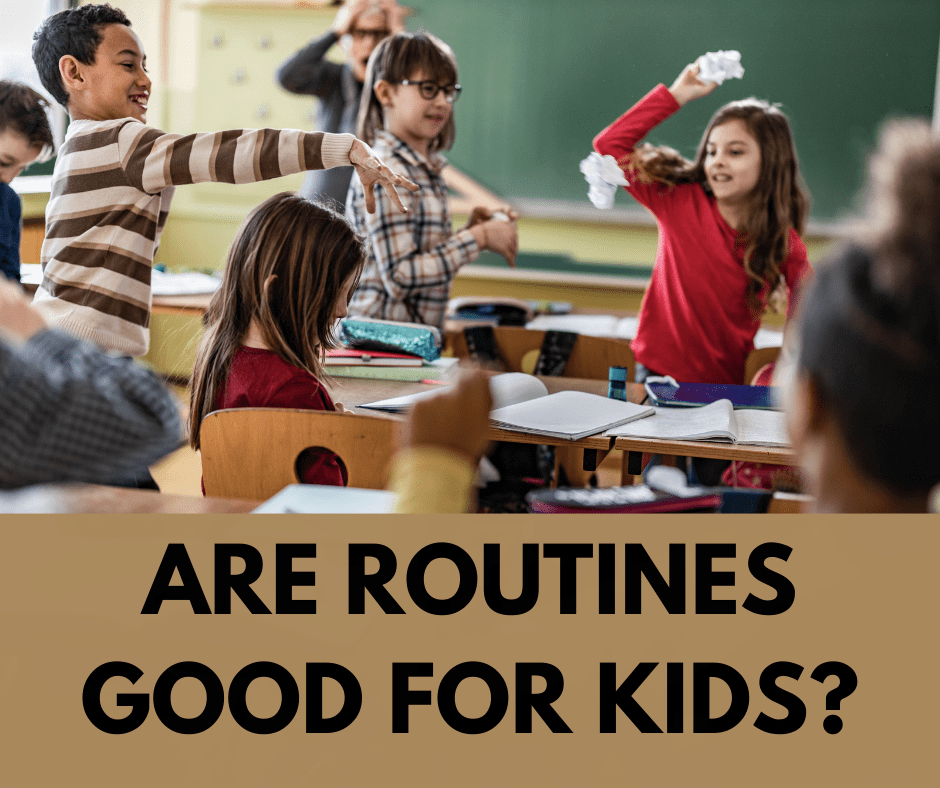

Chaos Never Wins
My Teaching Nightmare:
What’s your worst nightmare as a teacher?
I’ll go first: mutiny.
Every year, right before Back-to-School Night, I have a series of horrifying nightmares that my class is either ignoring my instructions, running around the class, or eloping from the room. Similar to that anxiety inducing scene from 1990’s movie “Kindergarten Cop,” when Arnold Schwarzenegger’s character, Detective John Kimble, first enters the Kindergarten classroom.
Fear #2, what would I do if I lost my voice? How would the students react? How would I get their attention? What if there was an emergency? Is THAT what would trigger the mutiny?!
Thankfully, no mutiny has ever occurred in my classroom…yet.
However, there was a day when my children needed to run themselves.
Being in a cold northern USA state, blizzards are common in the winter. Several years ago, I needed to meet a parent during school hours. The substitute teacher was scheduled days in advance, I made my schedule the day before, and my fourth graders were prepped about the substitute the day before. However, for reasons unknown, the substitute never showed up… and NO ONE KNEW.
My class was left alone.
No one knew my lovely students were independent for the first 30 minutes of the school day, until one of my students went to tell the front office. The principal hurried down to my class. What did she find? All 18 students quietly working, completely undisturbed by the fact that no adult was in the room.
To the principal’s surprise, a student looked at the clock, rang a bell on her desk, and the class began cleaning up. The students conducted their own morning meeting, lined up at the door, and walked themselves to library. My principal was shocked.
My class had proven that they didn’t “need” me.
How did that happen? Routines. Practice. Empowerment.
Yes. Children Need Routines.
Structure Never Fails
3 Rules of a Good Routine

1. Move Slow to Move Fast

2. Be a Step Ahead by Thinking Ahead

3. Have Fun
Rule 1: Move Slow to Move Fast.
Whatever you think is slow… go slower.
I have learned that students are often just as nervous, excited, and cautious as I am at the beginning of the school year. Therefore, routines and practice are the most vital parts of my classroom schedule at the beginning of the year.
I have the philosophy of moving slow to go fast.
Have you heard that before? More importantly, do you put it into practice? Not just what YOU assume is slow, but practicing routines at the pace of the students. There’s a difference between YOUR definition of “slow” and your STUDENTS’ definition of “slow.”
My “slow” means:
- Practice lining up at the door three times in number order.
- Tell them to walk silently in the hallway
- Believe that students will execute the directions perfectly the first time
- Somehow still be surprised when they don’t the first time.
Students’ “slow” means:
- Practice lining up in number order at least 10 times
- Going back to their desks when they need to try again
- Starting over
- Practicing it until everyone is on board with doing it the right way
- Walking the hallway
- Listening for the first person to talk, turn around and start over in the classroom
- Do this about 3-4 times
- Eventually make it to our destination.
A curriculum will often make large assumptions about how much time a given subject will take to review, teach, or set up for grade levels. However, a curriculum doesn’t understand the behavioral, academic, or relational needs of YOUR specific class.
But YOU do.
The next week I add in one subject, for example, math. I ask myself similar questions, and we practice the routine.
It’s a very. Very. Slow start. But you know what? The years that I take this slow approach, I never regret it. Why? Because I know what I am trying to do in October.
Rule 2: Think Ahead
You’re a teacher, so I know that you are REALLY good at thinking about “Worst case scenario.” Ok, maybe that’s just me. One thing I have learned when building routines is the importance of being several steps ahead of my students. Instead of waiting for the worst to happen, think of strategies to avoid the negative behavior.
Often times that means practicing SEVERAL days (or weeks) ahead of time.
Think about what how you want them to behave when you are on a field trip, being at an assembly, listening to a presentation, having a substitute teacher, etc. One of my favorite quotes as a teacher is that “you can’t plan for crazy.” While this statement is true, you CAN, however, prepare for crazy.
Much of teaching is teaching in the moment, anticipating potential problems, reflecting on the past, and planning for the future. We are always living in multiverse! It’s one of our greatest superpowers as a teacher.
When I set up my classroom routines, I take time to clearly establish routines, rules, and standards at the BEGINNING because I KNOW that they will need those skills when it comes to specific activities in the future.
For example, one of the first things I do at the beginning of the year are free choice stations. I know. I know. “You play GAMES the first day/week of school?! Doesn’t that set a bad precedent for your room?!”
Um…No.
Routines and rules should be fun! Give children TIME to observe you. Give children time to understand your expectations. Give children time to play, make new friends, and decrease their anxiety.
Rule 3: Have Fun
Creating engaging, fun, and interactive stations the first day of school for students, helps teach the children to transition independently, gives them time to talk with their friends, begin making new friends, and to clean up after themselves.
Stations like playdough, Legos, coloring, reading, and a craft are independent. I can observe, facilitate, and engage more easily because I’m not answer 50 billion times “HOW DO I DO THIS?!” or, “Is this right?!” or “Can I start over, I messed up”… yet.
Our Back to School time is meant as a time to be together. More importantly it gives time to practice cleaning up.
Routines Yield Results
A Well-Oiled Classroom Machine
I have a saying in my class, “Prove to me that you don’t need me.” Not that I want to be out of a job, but I want to empower the students to be independent and take initiative.
I will always remember that cold winter day, when my principal said, “Wow, your kids did the morning THEMSELVES. It was amazing.” I’ll remember the feeling of pride I had in my students’ ability to work independently, model integrity, and demonstrate mastery in our routines. But nothing would have prepared me for the look of joy and pride on the children’s faces when they said, “We did it… ALL ON OUR OWN!”
That’s why I practice routines.
That’s why I move slow to go fast.

Ready Made Classroom Management Activities

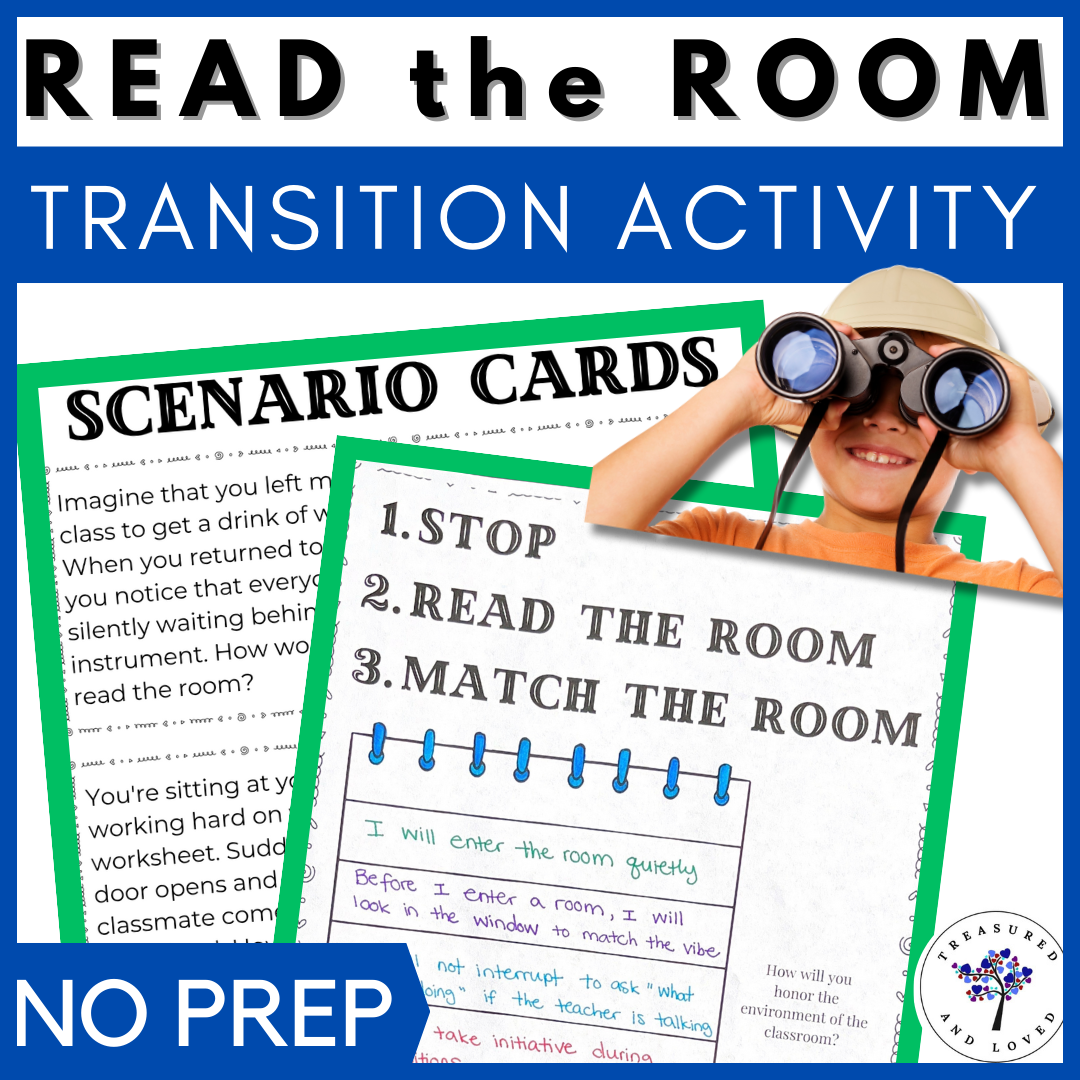
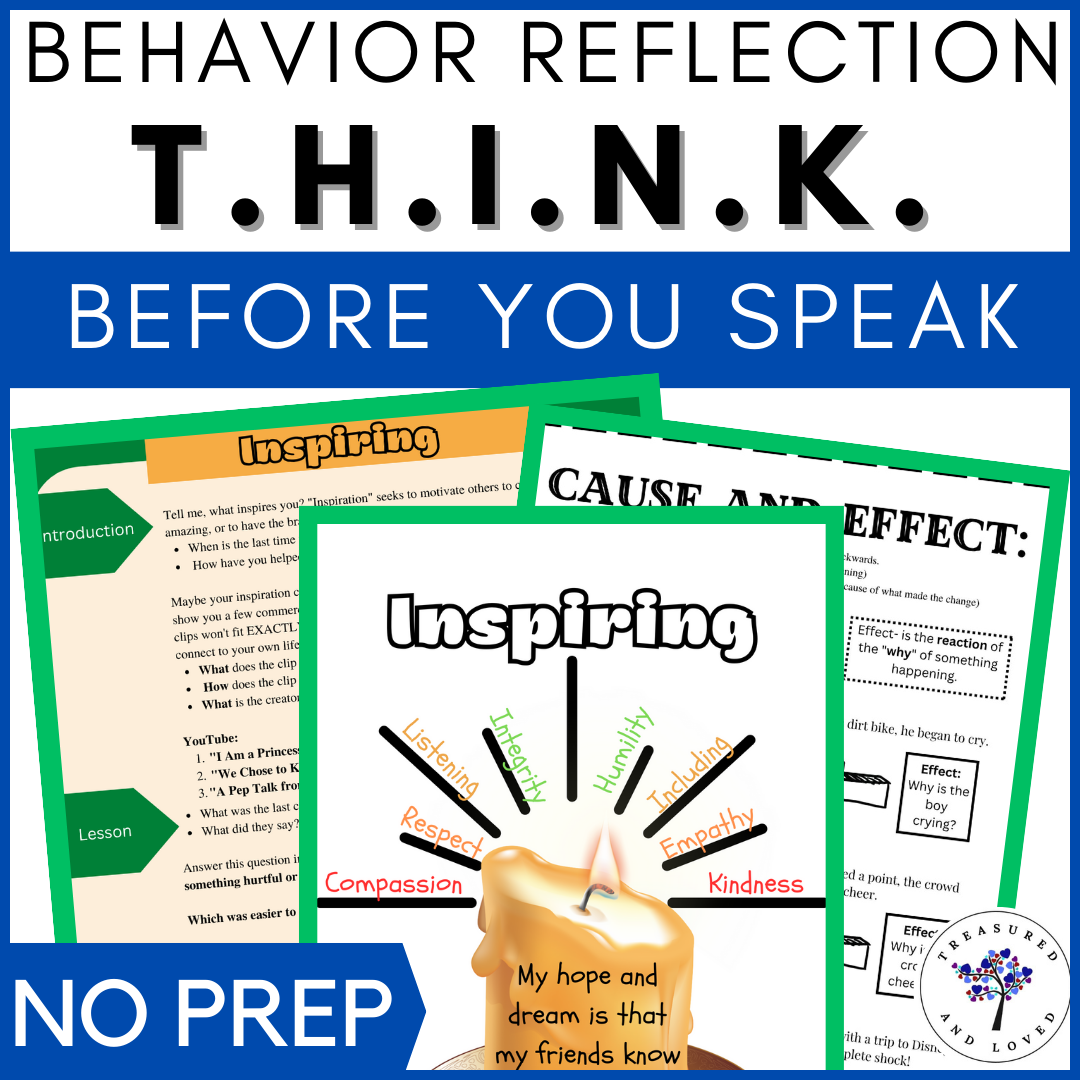
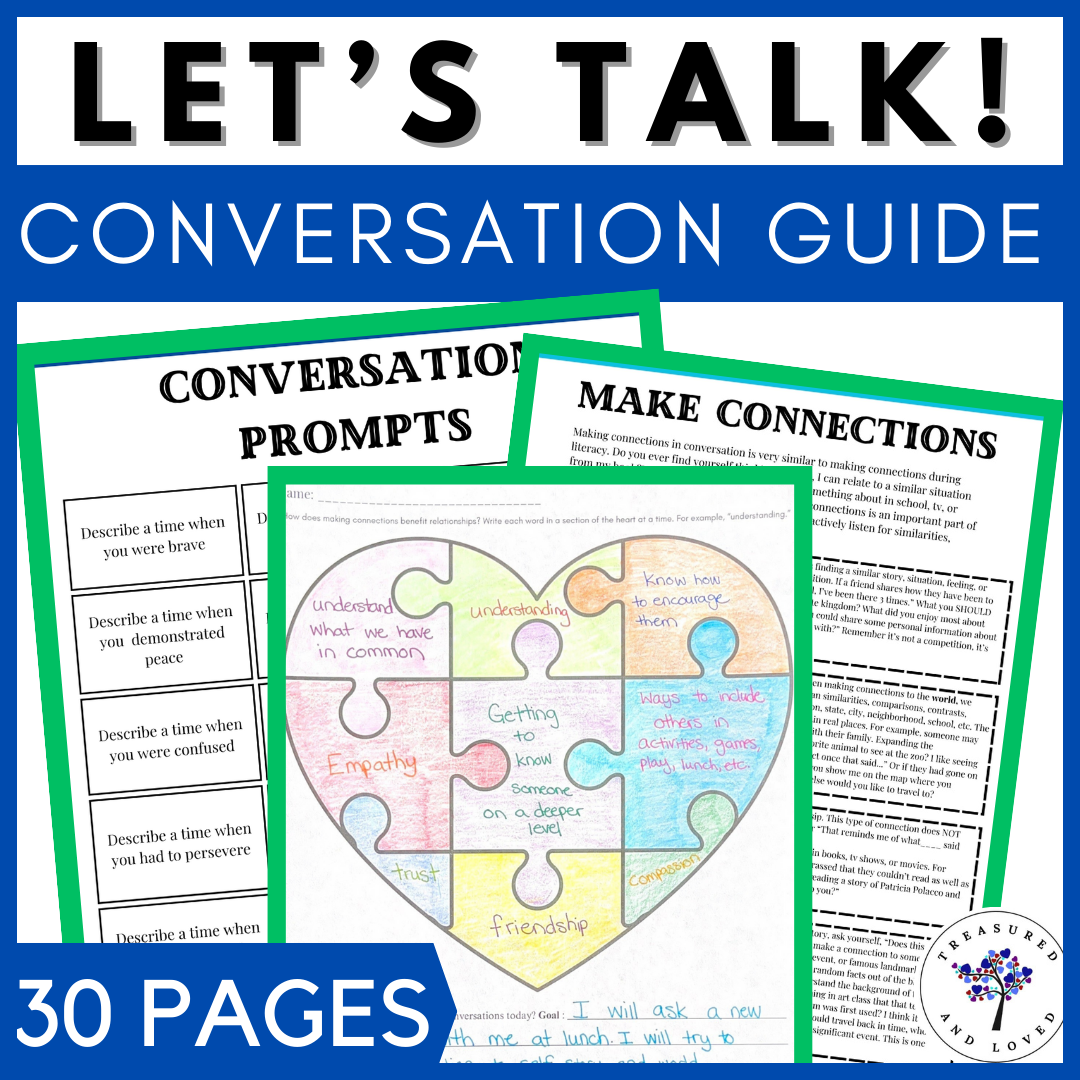
Effective. Engaging. Long lasting routines!
I’m not sure about you, but sometimes teaching can feel like playing a game of Wacka-Mole. “Sit down,” “please don’t lick your friend!” *cough* Not like any of those have happened. I lied. They have… to me.
Teaching can also feel like a game of Guess Who, “Who is running in the hallway?” “Who tackled who first?” “Why is everyone crying?” *Sigh* Sometimes it’s hard to redo classroom behavior.
That’s where I come in! I’ve created several fun, engaging, and effective classroom management activities just for YOU.
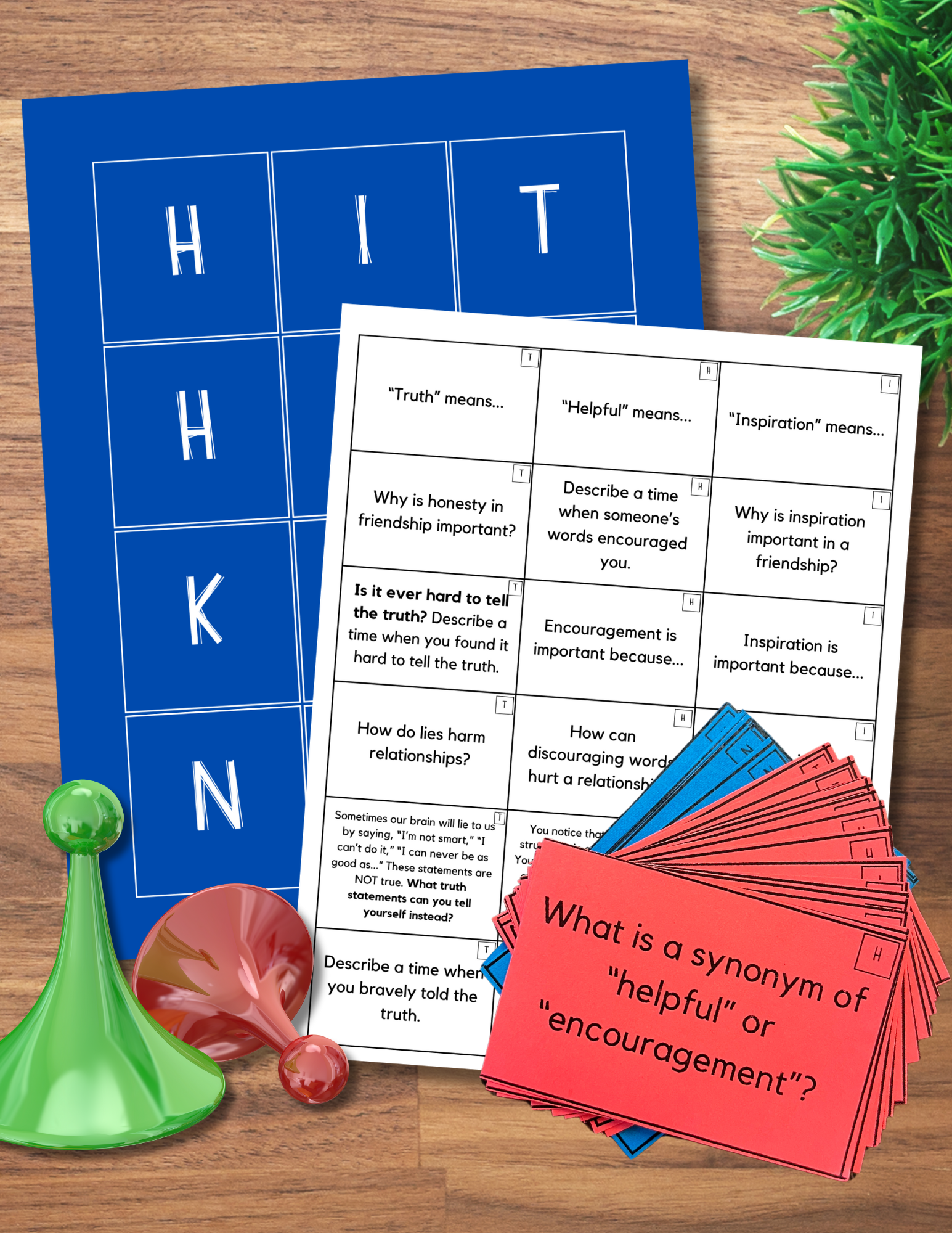
FREE T.H.I.N.K. Activity
Identify what is True, Helpful, Inspiring, Necessary, and Kind in this interactive board game.
About the Author
As an elementary teacher for over a decade, and having a MA in Professional Counseling, I value creating effective resources for you to enjoy in the classroom. My goal is to ensure that you can trust that the material is ready to use, easy to implement, and produces positive classroom results.

 Treasured and Loved, LLC
You must be logged in to post a comment.