
What is Your Life Story?
3 Things We Learn From a Story
I love a good story, specifically historical fiction. If I could be locked in any building it would be a library! For years I dreamed of having a library like Belle from Beauty and the Beast. Books are a way of allowing me to time travel, to have a new perspective of the world, to be understood, and for someone to put into words the thoughts and feelings I have about myself.
- Stories have power.
- Stories inspire you.
- Stories motivate you to change.
Some of the most inspirational stories come from the lives of the children in our classrooms.
To me children are a living representation of history. Etched into their very DNA are stories of courage, triumph, sorrow, and loss. Stories that are passed down from older generations, and stories that are written just for them. A child tells the story of their past experiences through their actions, responses, and sharing their dreams.

Do you take the time to listen to the stories of children?
Are you taking the time to create space for the child to share their stories?
A few weeks ago, I was welcoming students into my classroom. Suddenly, an image popped into my head, each child’s shirt was transformed into a book cover.
As I stared at their shirts, I realized that the closer they came to the door, I could see the detailed designs that were being sketched on the front of their cover. Each cover was different, no two covers were the same, and each were representative of the stories that were inside of the children.
Immediately, I thought of the saying, “Don’t judge a book by its cover.” The image caused me to pause and think of the last time we just “talked” as a class.
That’s when I realized that I needed to give priority to allowing children to express their thoughts, understanding/beliefs of the world, questions or concerns they have, and stories of courage.
The Importance of Classroom Storytelling
Stop. Listen. Learn.
“Miss Natalie! I lost my tooth this morning!”
I could rush past the statement and say, “Cool, did you get money from the tooth fairy?” or, “Wow! That’s awesome! Ok, keep working.”
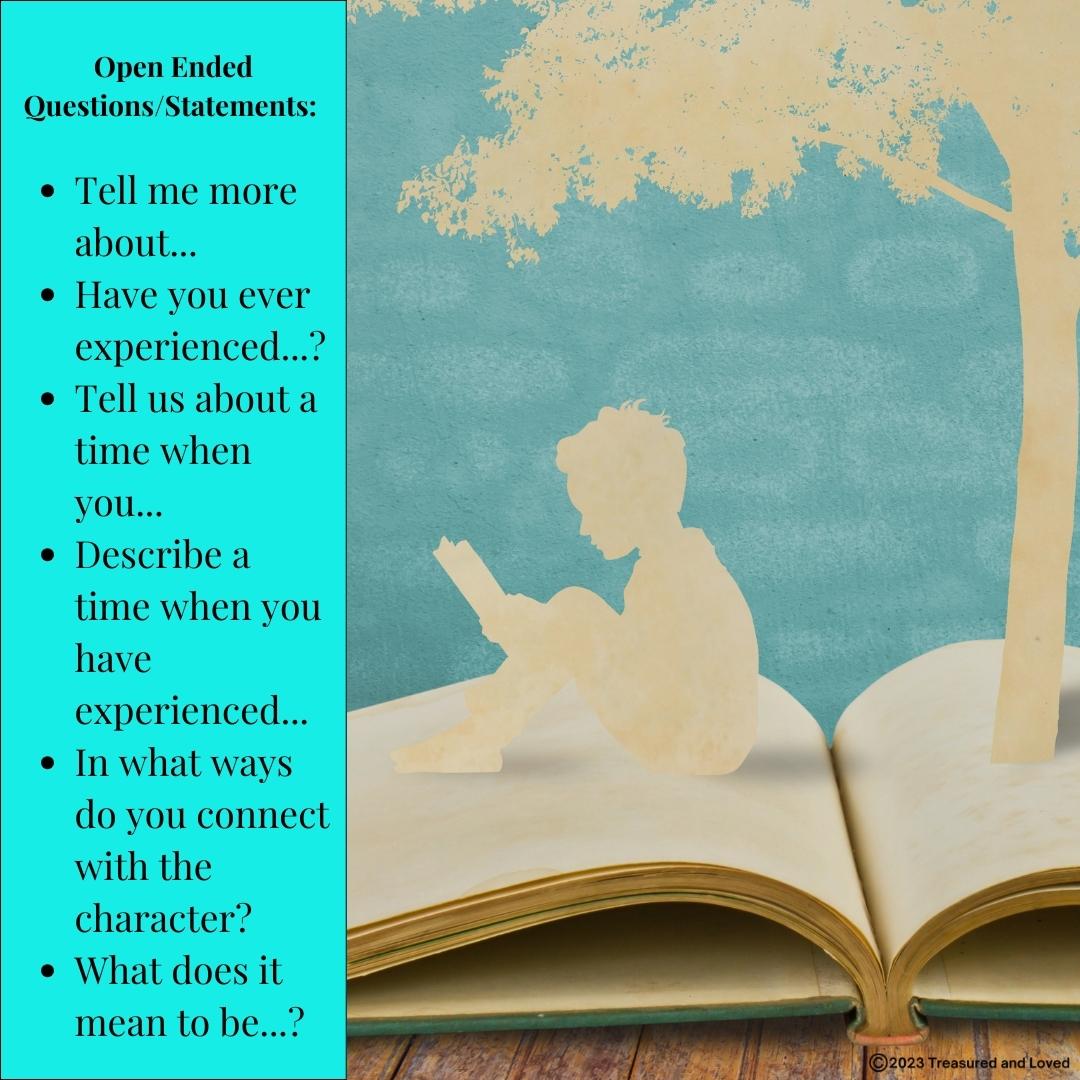
I could rush past it and move on, or I could also take the time to hear their story. “You did? Tell me about it!” Suddenly, with an open-ended question or statement, the child is able to express their own story. In this instance, I didn’t know that the child had never lost a tooth before, had always had them pulled by the dentist for various reasons, and had the courage to pull it out themselves.
“Miss Natalie! I used ALL my courage today; I tried a new food. I didn’t think I would be able to do it, but I used my courage. And guess what? I liked it! I never would have known if I didn’t try.”
I could have rushed past this random piece of information, but instead I chose to ask, “Would you mind sharing that story in our morning meeting? That could encourage a lot of your friends.”
When this child shared his story with the class, somehow, though not surprisingly, other students started sharing about how they have used their courage in the past. This was so inspirational for one student, that her parents told me later that she has started to try new foods and activities.
Stories have power.
So, find creative and fun ways of having students share THEIR stories!
3 Ways to Encourage Student Voice
1. Reflective Writing
Sometimes as educators, we get caught up in always wanting a perfectly published piece. However, there are times when it is best to let children just write. Let children create their own masterpieces of storytelling.
For example, students may enjoy:
- Writing a book
- Journaling
- Drawing
- Creating an iMovie
- Creating a song
- Writing a play
All of which expresses the student’s life journey. They may choose to write about a particular part of their story, or they may choose to summarize their whole life. In either case, it is important to allow children time and space to tell their story.
It has been my experience that adults all too quickly dismiss children’s ability to hold a deep conversation because they deem the child to be too young. However, when given the opportunity, children have some of the most profound thoughts about life that need to be heard… even at a very young age. The students’ “newness” to the world does not negate their voice, rather it should cause every adult to pay attention to a child’s understanding and critique of the world they are experiencing for the first time.
Stories have power, and behind every powerful story is a voice.
How are you giving voice to children?
2. Responsive Read Aloud Stories
One of my favorite ways to give voice to children is by reading stories that are reflective of my students.
“Reflective” is a highly important word to me as a teacher because I so often will be presented with books in a curriculum that are NOT reflective of my class. For example, one year most of my class was being raised by single moms. Therefore, it was important to me to have books that reflect that aspect of their lives.
Read aloud stories also connect with the lives of the students. Each of these special moments, encouraged me to create space for classroom discussions. They have taught me the value of open-ended questions that encourage the voice of my students.
Wanting to create space for my students to share is what led me to create a resource about how our heart can hold lots of feelings at the same time.
Now I get what you are thinking, “That all takes so much time!” You are right, it does take time. However, it DOES NOT have to cause extra time or stress. How? By integrating those moments or conversational skills into your already well-planned academic lessons.
3. Choose a Life Skill Theme
There’s nothing like a good theme of the week or month! This allows for the educator to integrate the theme within your daily curriculum. For example,
- Problem and Solution
- Conflict Resolution
- Perseverance
- Responding with kindness
- Respect
When we take the time to bring connection to the stories of our children, it allows for children to understand that they are not alone in their thoughts, feelings, or experiences.
Stories have power.
Powerful stories come from powerful voices.
Voices of children.
Listen.
Let Me Help You Get Started!

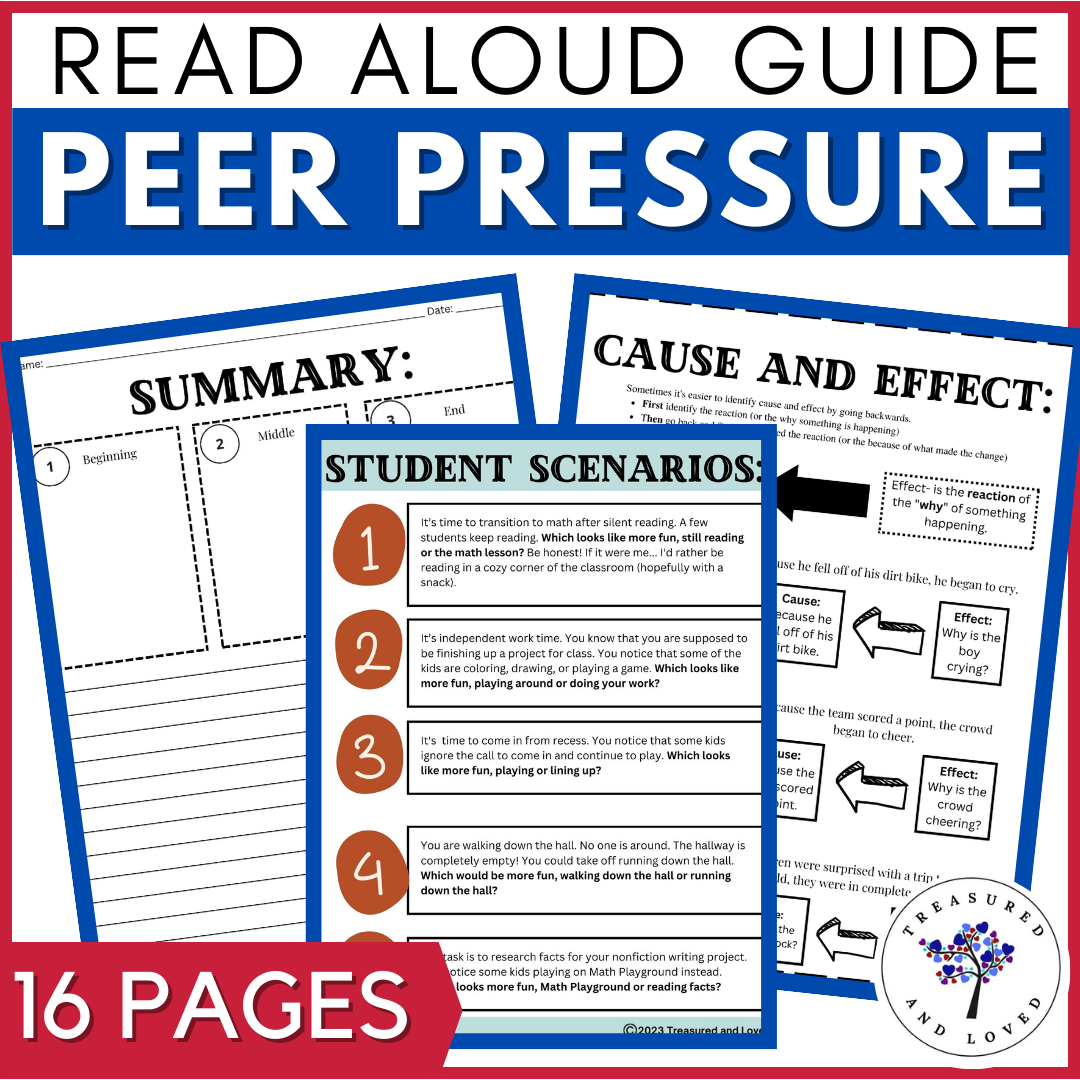
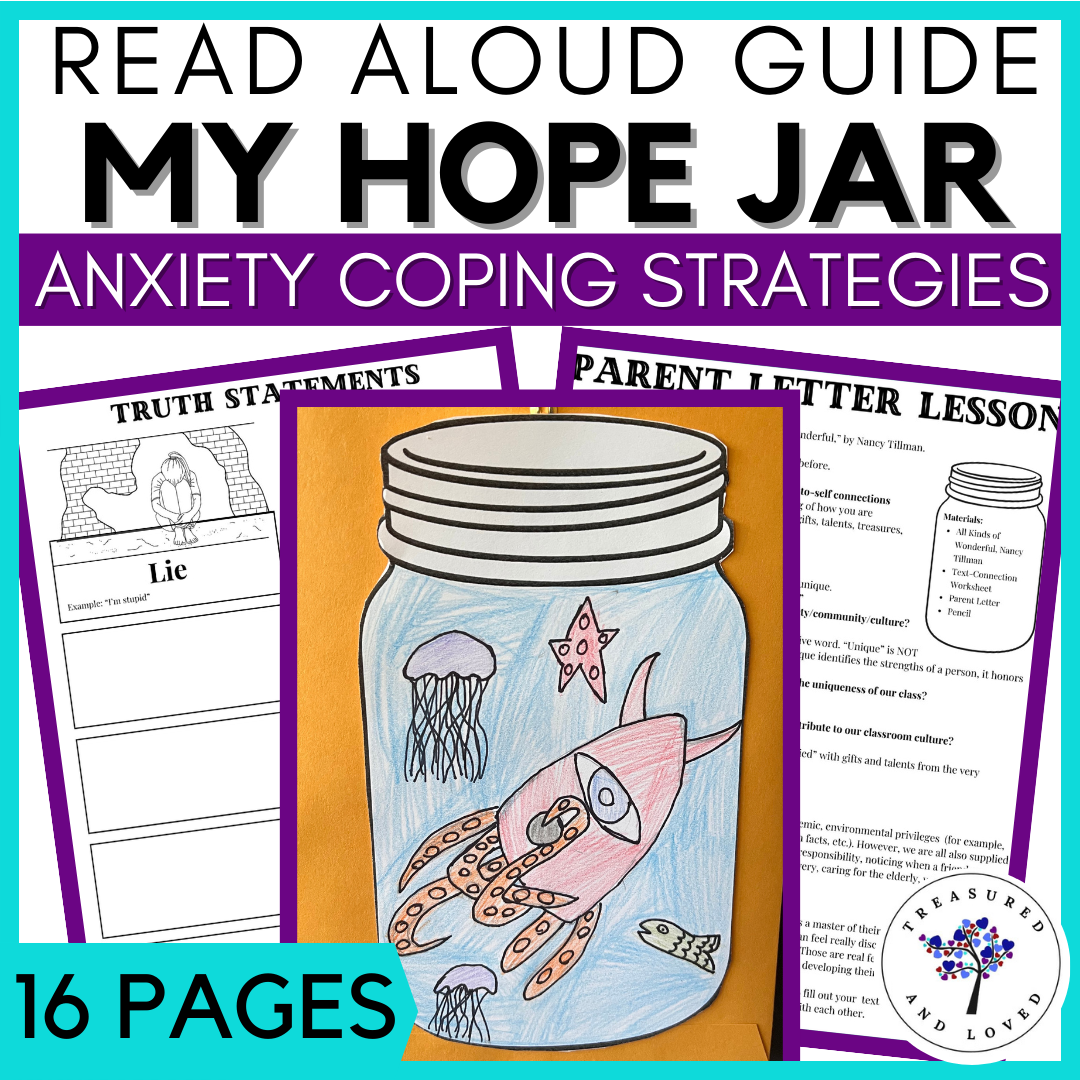
Don’t Be a Afraid to Try Something New
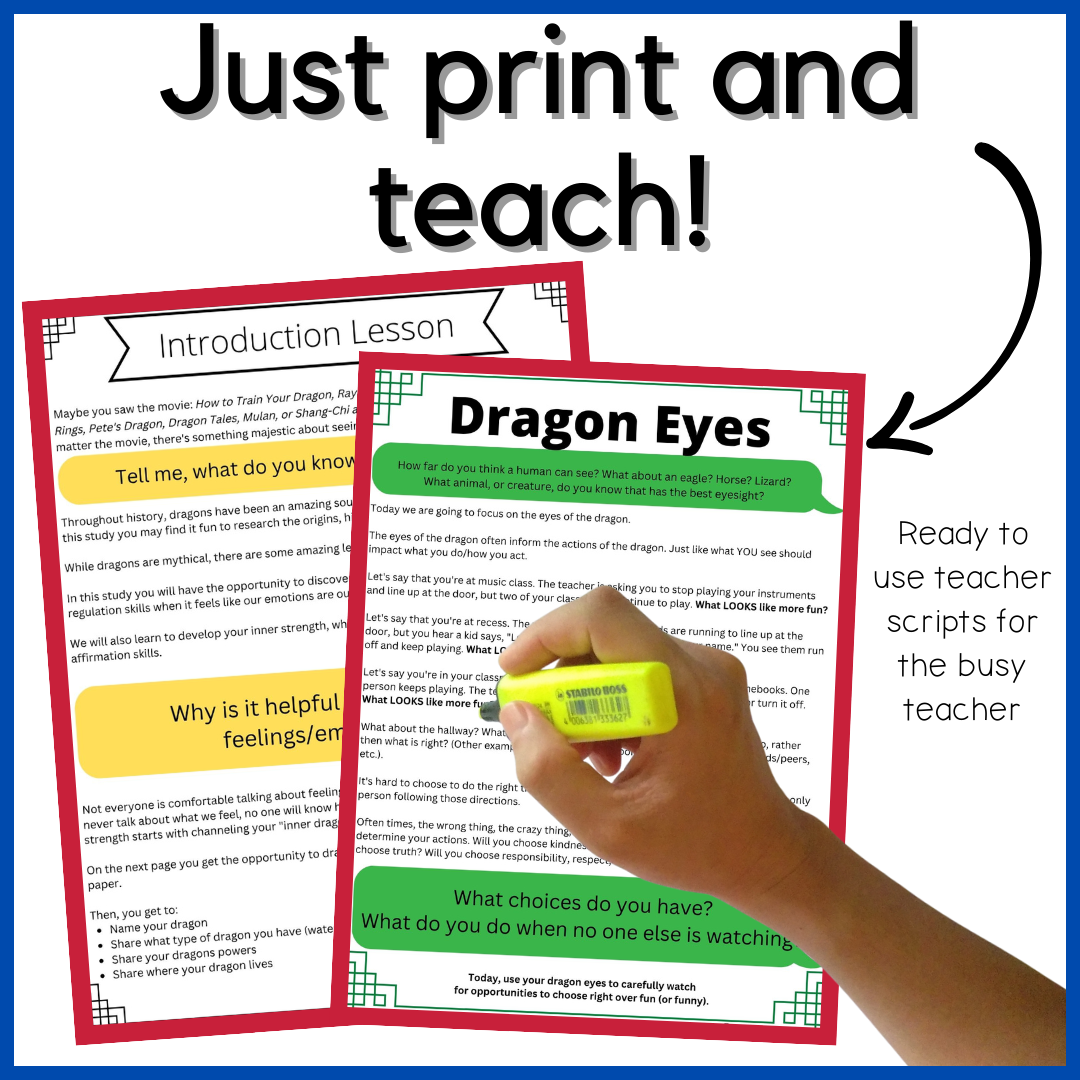
Look, I get it, facilitating student direct conversations can be scary… especially for us who like to be *cough* in control. I do NOT do well with chaotic conversation, that’s why I created guided, open-ended, classroom discussion guides.
Ways to Use These Resources:
- Morning Meeting
- End of Day Meeting
- Recess Drama Conversations
- Social Emotional Learning Lessons
- Substitute Teacher Lessons
- “I NEED A MOMENT” Days
About the Author
As an elementary teacher for over a decade, and having a MA in Professional Counseling, I value creating effective resources for you to enjoy in the classroom. My goal is to ensure that you can trust that the material is ready to use, easy to implement, and produces positive classroom results.

 Treasured and Loved, LLC
You must be logged in to post a comment.