

Is Morning Meeting Important?

My Dream Classroom Meeting
I’m not sure how you envision your Morning Meetings going in your classroom, but I often envision mine like a peaceful British tea. I envision that I’m sitting in a chair with a steaming cup of tea, hot chocolate, or candy coffee (I live for a Frappuccino, Turtle Latte, or a good Pumpkin Spice Latte). To my left is a white board, ready to be filled with the insights of the children’s wisdom.
Oh, yes, the children.
Are they rolling on top of each other? No.
Are they licking each other? No.
Do they interrupt the conversation to ask if they can pass out their birthday invitations? No.
Do they roll their eyes, sigh, and ask how long until lunch? No.
They simply sit serenely, gazing up at me with contented grins on their cherub faces, completely enthralled by the class discussion.
Yeah, that would be a dream.
I love a good story, specifically historical fiction. If I could be locked in any building it However, at the beginning of the year, my morning meetings more greatly resemble Survivor.
- “Friend, please don’t roll on top of your neighbor.”
- “No, this isn’t the time for you to do a cartwheel.”
- “PLEASE don’t pick your nose and wipe it on the wall!”
- “Is there a reason you’re blowing into each other’s mouths?”
- “As much as we would LOVE to see you skateboard, that’s not what we’re doing right now… nor do you have a skateboard at school.”
- “Please stop interrupting your friend, it’s important to listen while others are speaking.”
All of the above scenarios have happened… and have made me wonder if the morning meeting is worth it. Wouldn’t it just be easier to simply “get on with our day?!”
Classroom Meetings, Morning Meetings, ARE a critical part of every classroom. When children are given the opportunity to listen, respond, and dialogue, it deepens the relationships within the class. With increased relationships, trust, and respect among peers, it decreases conflict, bullying, and resentment among peers. Yet, it is important to know HOW to facilitate your classroom meetings for the expected results.
Facilitating vs. Teaching
Developing the Facilitator Role
“Facilitate.”
There is something terrifying about not having complete control over the direction of the lesson in an elementary classroom. We as educators understand the importance of having a well-planned lesson. A lesson with differentiated worksheets, visuals, movement breaks, scaffolded questions, critical thinking questions… well, you know what I mean. Lesson planning takes a great deal of time and thought, in contrast to the unpredictable nature of a facilitated conversation. In a facilitated conversation, the educator seeks to inspire the voice of the student. When presenting ideas, open ended questions, or connecting to shared experiences, we as educators need to be flexible to the insights of the children. Educators equip, model respect, and demonstrate the acceptance of valuing/responding to differences
5 Ways to Facilitator Morning Meetings
1. Setting the Tone
Most adults do well with having a plan for the day. We may create a schedule the night before, update our calendars, set reminders on our phones, create a checklist, all of which helps us orient our mind for the day/tasks ahead. A plan, or simply knowing the plan, helps decrease the anxiety of the unknown.
Children benefit from knowing the plan as well.
- “What are we doing tomorrow?”
- “What is the plan for today?”
- “Will we have time for…”
- “I really wanted to…”
Children crave the ability to be able to prepare for the day ahead. Setting the tone may mean going over the calendar, the daily schedule, seeing what questions they may have for the day, and posing a question of the day to the students.
2. Teaching Students to Regulate Their Emotions
Social Emotional Learning (SEL) is a huge buzz word in the educational world today. It seems like everyone has an idea, technique, or strategy to increase the social skills and emotional regulation that will increase student learning.
As educators we know that when a students most basic needs are met, students have a great capacity for academic skills. However, I’m not sure about you, but my schedule is really really tight.
It feels as if my class and I barely have enough time to transition! Therefore, I have learned the importance of integrating SEL skills within other topics.
For example, one of my favorite aspects of a classroom meeting is being able to prepare for conflict resolution… especially before recess. I have found this is easily accomplished when integrating a read aloud story, the comprehension skill of Problem and Solution, and how to use solutions in their peer conflict at recess.
- Teach children to identify the problem
- Think of three basic solutions
- Talk directly to the person you are having conflict with
- Ask for help
- Find a compromise
Role play problem solving during recess, at lunch, during group work, standing in line, etc. While these activities take time, it is important to empower the students in being able to implement their skills in everyday life experiences.

3. Student Presentations
Sometimes, as a teacher, I just need a moment. I need like half a moment to think, reset, and prepare for the next lesson. Therefore, I build into my weekly schedule times for student presentations.
“Presentation” refers to a student academic focus they have researched. Presentations allow for students to showcase their interests and passions with the class. It increases their public speaking skills, but it also increases the other students’ ability to practice active listening.
Now, I know what you may be thinking, “This is a classroom meeting?!” Yes, because it brings the class together to inspire, challenge, and celebrate the uniqueness of each student.
4. Student Leadership
Early on in my career, I realized the importance of empowering student voice. Allowing children to lead the morning meet (yes, I’m serious!), memory work/chants (Classical Education), math multiplication songs, explaining the calendar, and daily schedule, provides students with a sense of ownership, leadership, and voice.
Student led meetings are also a positive way of letting a child research a topic of interest, share about a concern they may have to the classroom, or a discussion they would like to present to the class.
For example, one year I had a 1st grader student share his concern of how many little boys were not aiming well in the bathroom. He led a very serious discussion on his observations, concerns for making the custodial staff clean it up, and presented solutions to the problem.
Another example was in my 4th grade class, when a student was concerned about how the class would behavior with the substitute guest teacher the next day. She led a discussion on setting individual and group goals to ensure respectful behavior, safety, and joy in the classroom.
5. Choose a Clear Social Emotional Learning Theme
I love a good theme!
I often like to create a monthly theme that integrates self-regulation, conflict resolution, social emotional learning, and academic strategies for students. For example, for the month of October we focus on Self-Regulation, identifying emotional triggers, and peer relationships.
I have found that focusing on a theme for each month allows for in-depth studies of important concepts.
Conclusion
Whether you have a Morning Meeting, afternoon meeting, closing meeting, or a family (classroom) meeting, I hope you take. the time to empower student voice.
I also hope that your classroom meets, at least once this year, resemble a High British Tea Party!
Ready to Use Morning Meeting Guides!

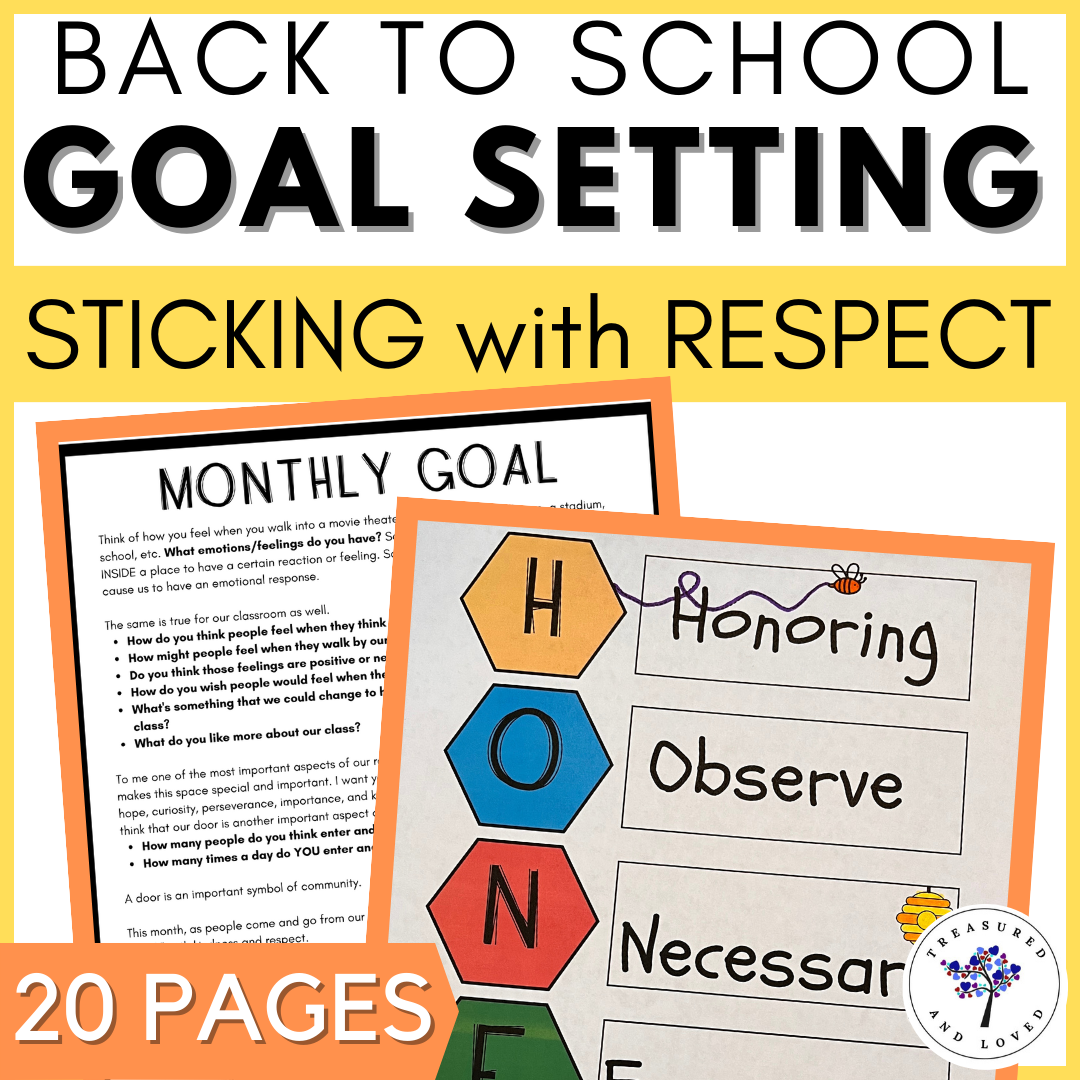
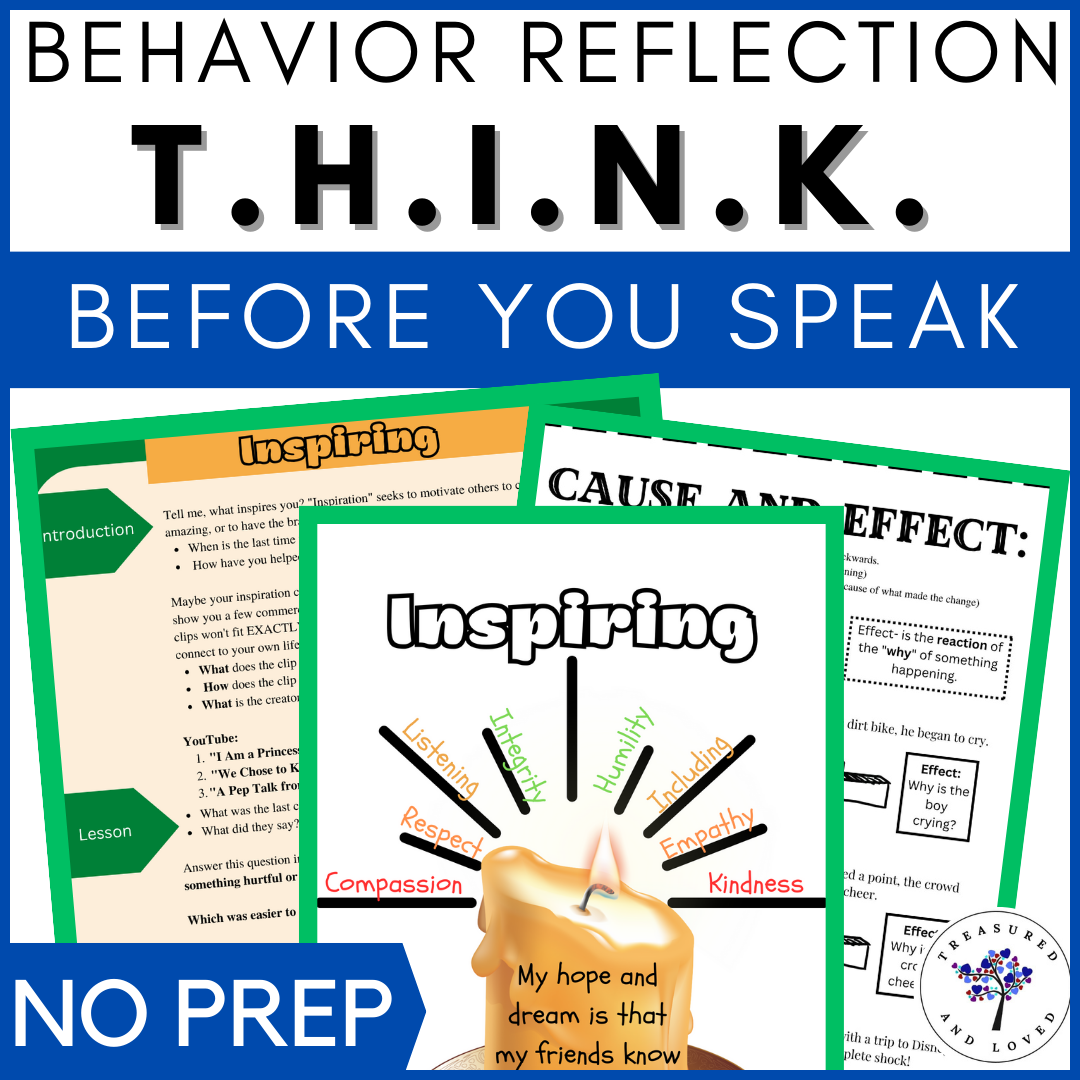

Sit Back and Relax… I’ve Got Your Back.
As a current teacher myself, I know the “Ahhh!! I need a weekend to catch up on the weekend work I didn’t get to.” That me give you a hand, don’t worry about finding a “filler” activity, I’ve got you covered. I’ve created a series of Morning Meeting, End of the Day Meeting, Recess Drama Meeting, random “We all need a break,” resources that include integrated literacy skills.
So don’t worry that you are “wasting your time,” you’re not, you are providing students with an opportunity to showcase their critical thinking skills.
About the Author
As an elementary teacher for over a decade, and having a MA in Professional Counseling, I value creating effective resources for you to enjoy in the classroom. My goal is to ensure that you can trust that the material is ready to use, easy to implement, and produces positive classroom results.

 Treasured and Loved, LLC
You must be logged in to post a comment.