


ALL Rise!
The Many Hats of a Teacher
Like a judge waiting in his/her chamber, I often envision myself mentally and emotionally preparing for the drama that is post-recess. No one can understand the precision, focus, and deductive reasoning it take to unravel the DRAMA that is recess… unless you’re an elementary teacher, then you completely understand.
Have you ever counted the “hats” we wear as teachers? Teachers wear many “hats:” technology support, data analysis, nurse, counselor, parent, coach, custodian, interior designer, life coach, referee, party planner… you understand. However, the headpiece we wear the most is not even a hat… it’s a WIG.
An old colonial style judge’s wig.
While we done this wig with all the grace and grander it deserves multiple times a day, it is most often put on during recess.
Recess drama can challenge even the most seasoned of teachers. Unstructured play reveals a child’s beliefs about conflict resolution, control, and relationships. All behavior is a form of communication, both negatively and positively. Children may push, punch, yell, pull, throw objects, hide, or freeze, to demonstrate their frustration about the situation.
- “He wasn’t following the rules of gaga ball correctly, so I hit him.”
- “She looked at me funny in morning meeting, so I told her I couldn’t play with her at recess.”
- “They wouldn’t let me go down the slide first.”
- “I couldn’t be captain of the team, so I quit.”
- “It’s not FAIR…”
It’s easy for adults to dismiss the trivial moments. However, each “trivial” moment in a learning opportunity to model positive conflict resolution skills. Social skills take time to master.
Maybe “mastery” isn’t the right word in a social setting, the reality is that we ALL are continuously developing conversational skills. Therefore, I want students to feel comfortable:
- Voicing needs appropriately
- Problem solving independently
- Identifying who can help them solve the problem
- Asking for help when needed
As students are taught, retaught, modeled, reinforced, and have practiced conflict resolution and social skills, the recess drama significantly decreases. Why?! Because they are increasing their independent resolution skills. How? A social skills development strategy I use is the acronym T.H.I.N.K. to teach self-reflection in conversations with peers.
Whether it’s Back to School week, Morning Meeting, or returning from a holiday break, I have found it is important to practice effective interpersonal problem-solving skills.
“What Were You Thinking?!”
Teach Your Students to T.H.I.N.K.
“THINK” is a fairly common acronym in the educational world to teach social skills for students. As educators, we use the word “think” a LOT.
- “Stop and think.”
- “Think for a moment, what would be the best choice?”
- “Don’t forget to show your thinking on your math page.”
- “Explain your thinking…”
- “I like your thinking!”
- “What great thinkers we have in this classroom.”
- “What were you thinking?!”
Ok, that last one is a frequent INNER THOUGHT.
THINK.
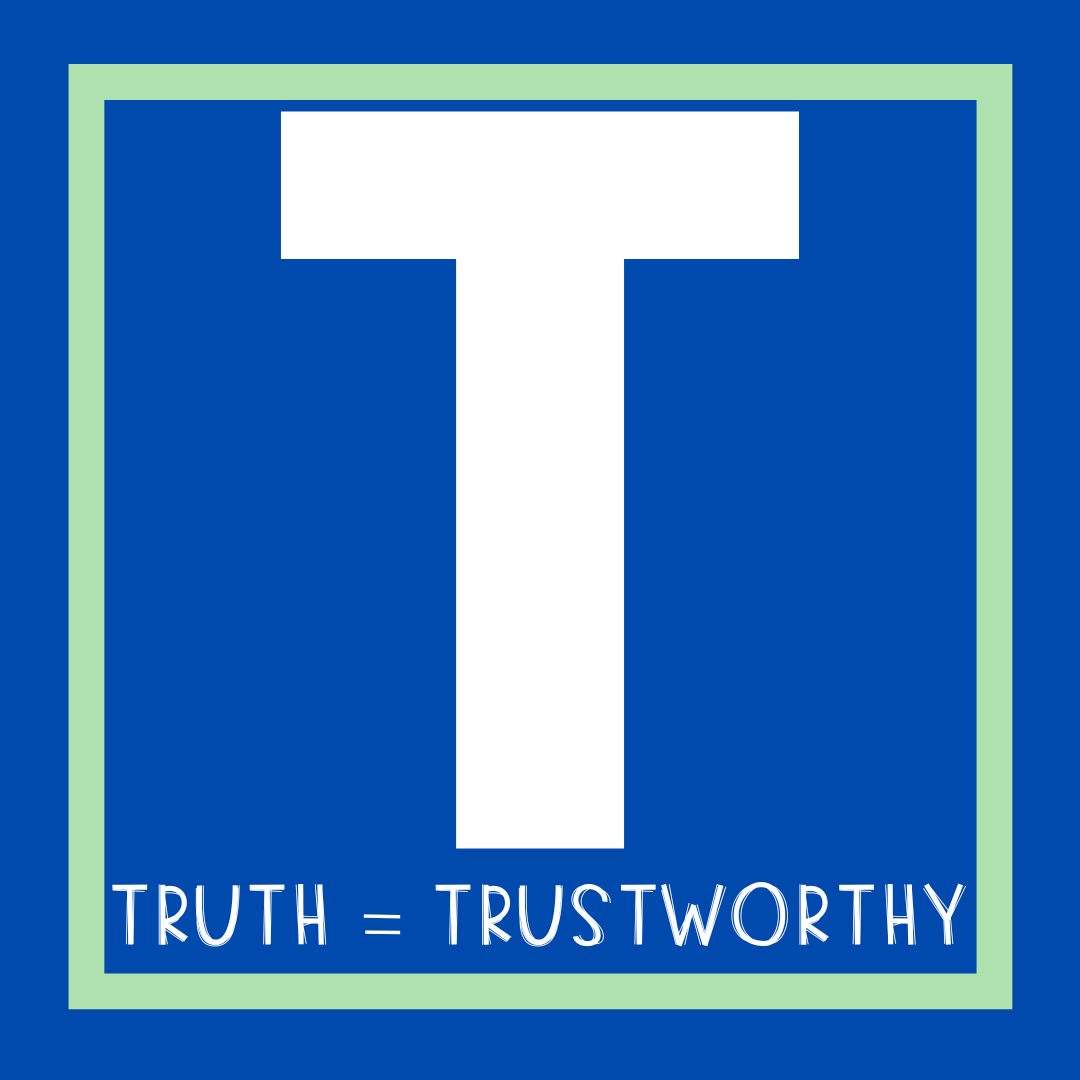
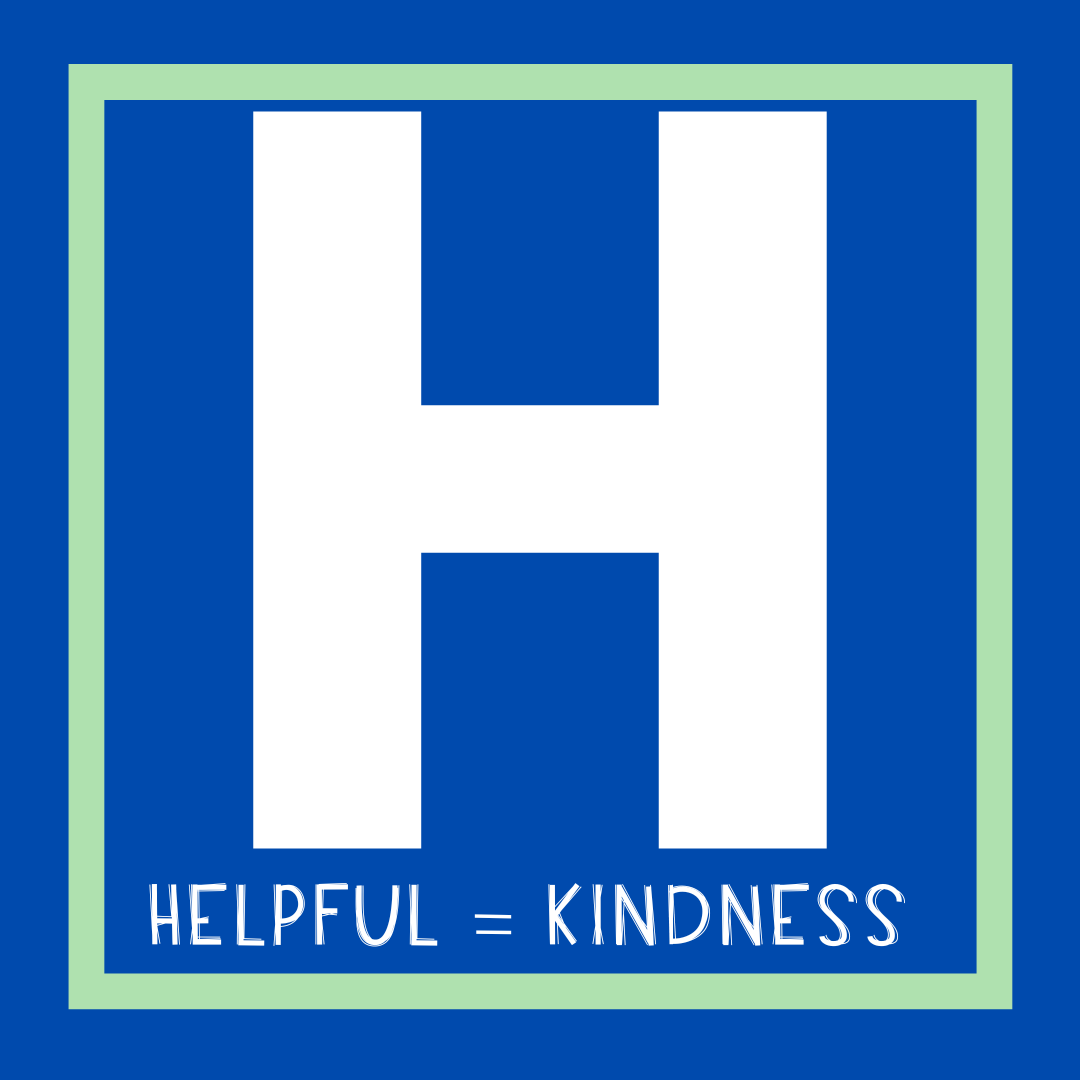

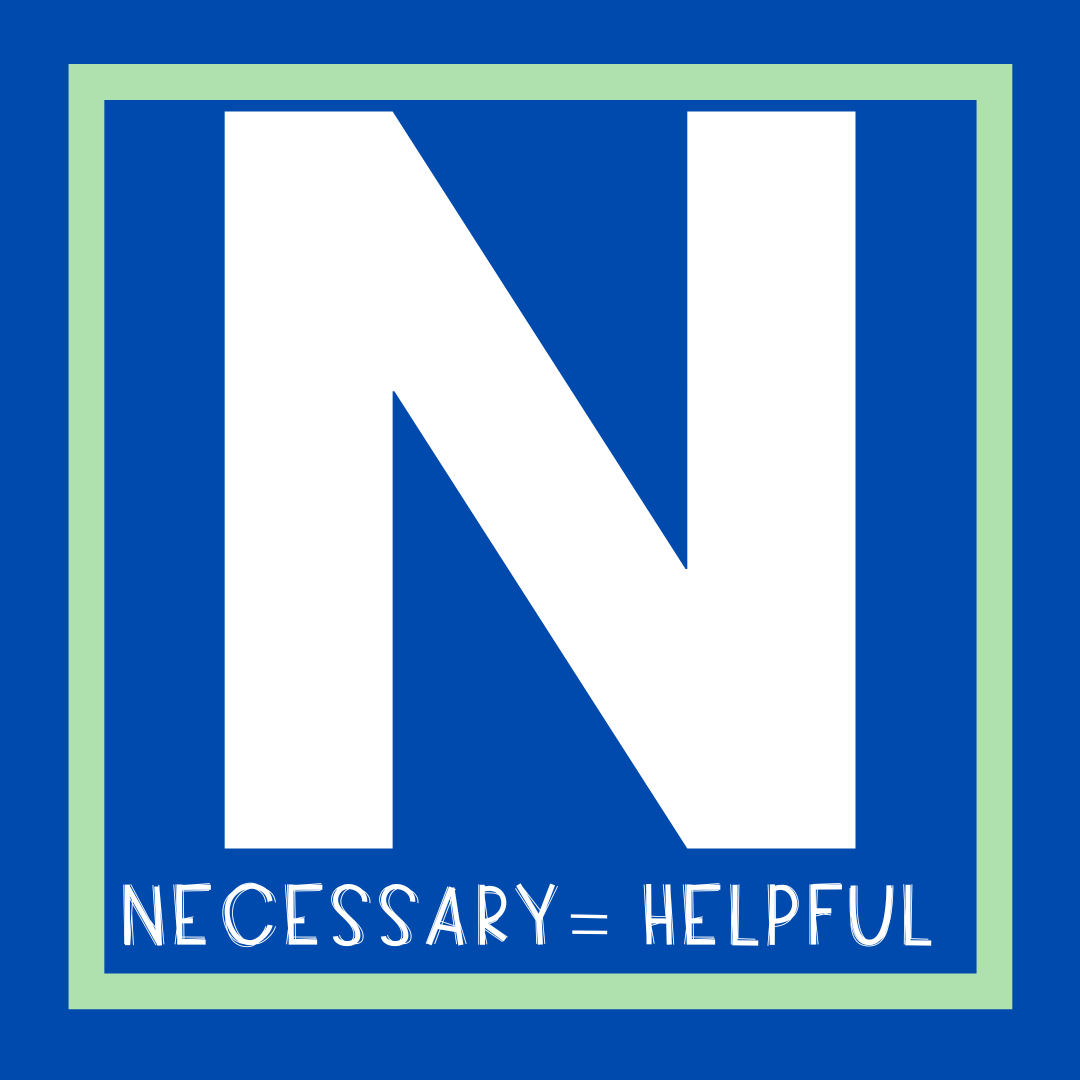
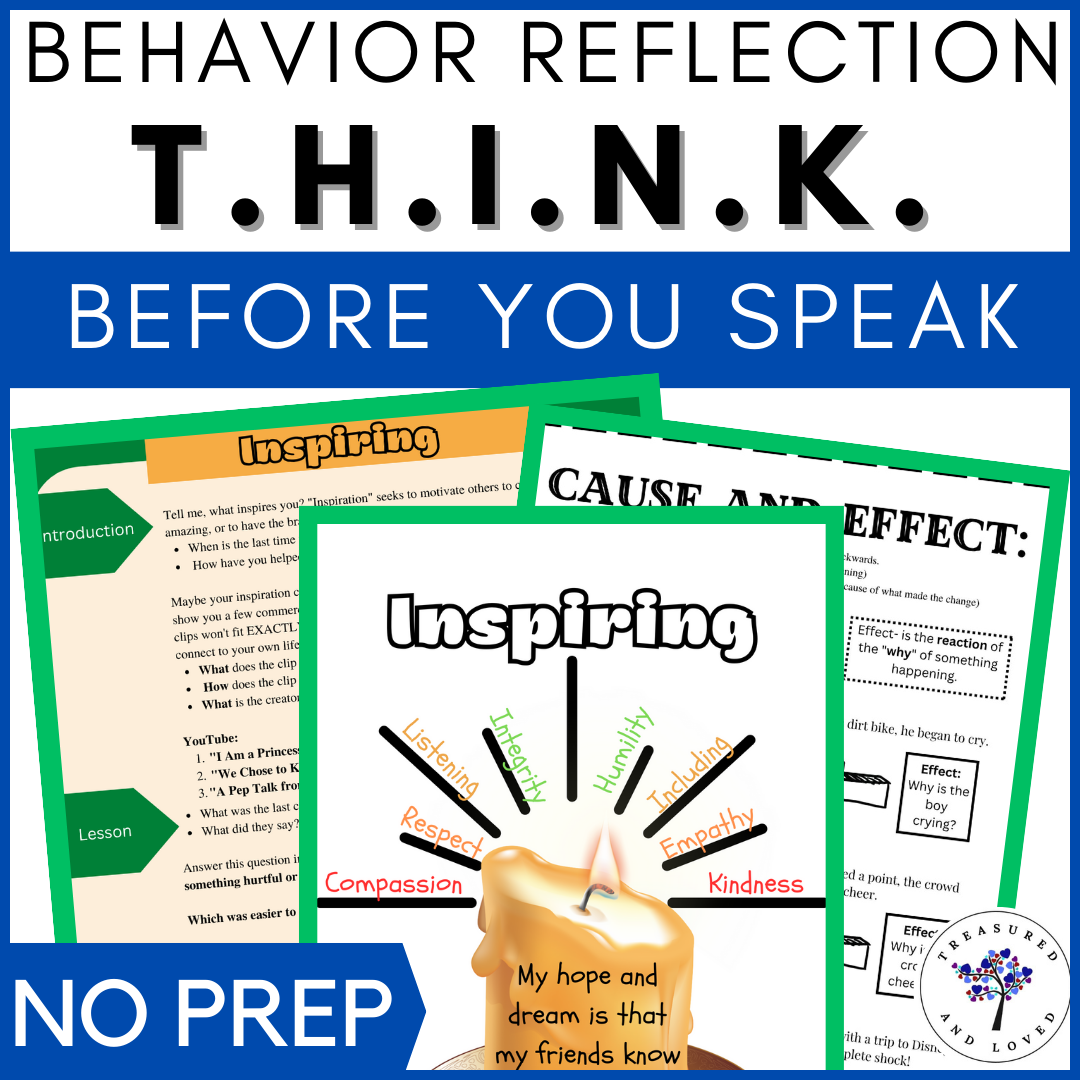
Is It True, Helpful, Inspiring, Necessary, and/or Kind?
5 Ways to Teach Students to T.H.I.N.K.
Is It True?
2 Forms of Truth
1. Do Not Lie
We can all think of times when a student has been dishonest with us. “No, I didn’t take that…” “What?! That wasn’t me!” “You never blame anyone else, why do you think everything is my fault?!” “Wellllllll… I was just going to borrow it. It’s not like I was going to keep it or something.”
Telling the truth can be hard for children… and adults. It’s easy in those situations to jump to a consequence, or tell them how much you don’t trust them anymore. That’s the real problem, right? Lying breaks trust. No relationship is built (or should be) on broken trust. Teaching children to demonstrate honesty is a way of helping them not only be respected, but learn that they deserve the same respectful honesty.
2. Admitting When They Don’t Understand
Often we think of truth as being the opposite of a lie. In one sense this is true (hahaha). However, truth can also be demonstrated when children:
- Choose to honestly state when they do not understand a math concept
- Share their feelings to a trusted adult
- Ask for help
- Make honest connections during literature circles
- Acknowledge their mistakes
- Take responsibility for their actions
- Demonstrate integrity
How do you verbally acknowledge their honesty?
- “Thank you for your honesty.”
- “Thank you for sharing that, it’s so helpful when you are honest about how you are doing because now I know how to help you.”
- “Thank you for sharing that, let’s find a solution together.”
Is it Helpful?
Words that are helpful often pair well with kindness. It’s hard to be helpful without a level of kindness. When kindness is removed from the equation it can lead to misunderstanding, anxiety, hurt feelings, or resentment.
I’m not sure about you, but my students can be brutally honest toward each other. I hear students say:
- “Just stop crying.”
- “You didn’t know that?! I thought everyone knew that.”
- “What’s the problem, just do it like this…”
- “You’re not a very good artist.”
- “You should have just…”
I have noticed that children often need to be taught empathy in order to understand how to provide help. Children may “help” by being overly, inappropriately, or manipulatively honest. “No, that’s not a very good picture. You should have…”
Social awareness, social skills strategies, and general manners, is an important skill to teach, reteach, and model for students. Helpful words seek to provide wisdom, insight, or critique in a way that encourage other people.
Is It Inspiring and Important?
Some THINK acronyms will have the “I” stand for important. For some reason I had a hard time telling children that some conversations are not important. I believe that the voices of children are important. Certain words might not be necessary (N), but words are important. Therefore, I believe that it is more accurate to help children assess if their words are inspiring to others.
Words should bring life to other people.
Inspiring words should feel like a tall glass of lemonade on a hot summer day, refreshing. Inspiring words should inspire others to do good works, persevere, instill hope, and integrity.
Is It Necessary?
“Necessary” is my favorite letter to teach! Necessary words are thoughtful words, positive words, and encouraging words. Similar to the word “helpful,” but “necessary” is much more personalized. While helpful words are meant to encourage others, necessary words reflect on how their words influence the overall environment.
Unnecessary words can cultivate negative feelings amongst students. Statements such as:
- “Ugh, do we HAVE to do this math worksheet?
- “That volcano is running just like my nose.”
- “Sometimes I eat my boogers, just for the fiber.”
- “I’m bored.”
6 Ways to Teach “Necessary”
Necessary Skills for Students
- Before I begin teaching this lesson, I secretly make a observational list of all the unnecessary statements my students are saying throughout the day. I don’t put student names on the note, nor share with students that I am creating a list.
- At the beginning of the lesson, I silently write the statements for students to read.
- Then I ask them what they notice.
- Create a T-chart for necessary and unnecessary words.
- Next, we dialogue about how unnecessary words will either distract the class, take away from our learning time, or create negative thinking amongst each other.
- Discuss how to be a class who are speaks with purpose.
Necessary pairs well with the Literatures Cause and Effect. “Let’s evaluate the cause and effect of your words. When you said… I noticed that the other students…”
Is it Kind?
There are so many books, YouTube videos, Social Emotional Learning lessons, TeachersPayTeachers (TPT) resources, songs, etc. about kindness. However, there is a difference between knowing and doing. I believe that children often know what it means to be kind, but they need continued practice and reinforcement to put their knowledge into action.
Kindness should always be rewarded. Whether the reward is a verbal acknowledgement (“That was a really kind thing to say, thank you.”), or a written acknowledgement (writing it on a kindness board), children need to be aware that children and adults are observing their acts of kindness.
I love a good theme, so one idea would be to change how you are acknowledging their kindness each month.
- Sticky note
- Verbal acknowledgement
- Pair students together to be watching for acts of kindness by their partner
- End of day closing meeting
Conclusion
Which letter should be introduced first?! Whichever you believe your students need to practice the most. For example, I often order my letters as T, N, I, K, H.
Whether you choose to focus on one letter a day, a week, or introduce every letter at once, THINK is a powerful tool in your educational philosophy. It helps the educator have verbal prompts to redirect students. It is also a helpful tool in being able to communicate your strategies with parents, specialists, para professionals, and substitute teachers.
How will you use THINK in your classroom?
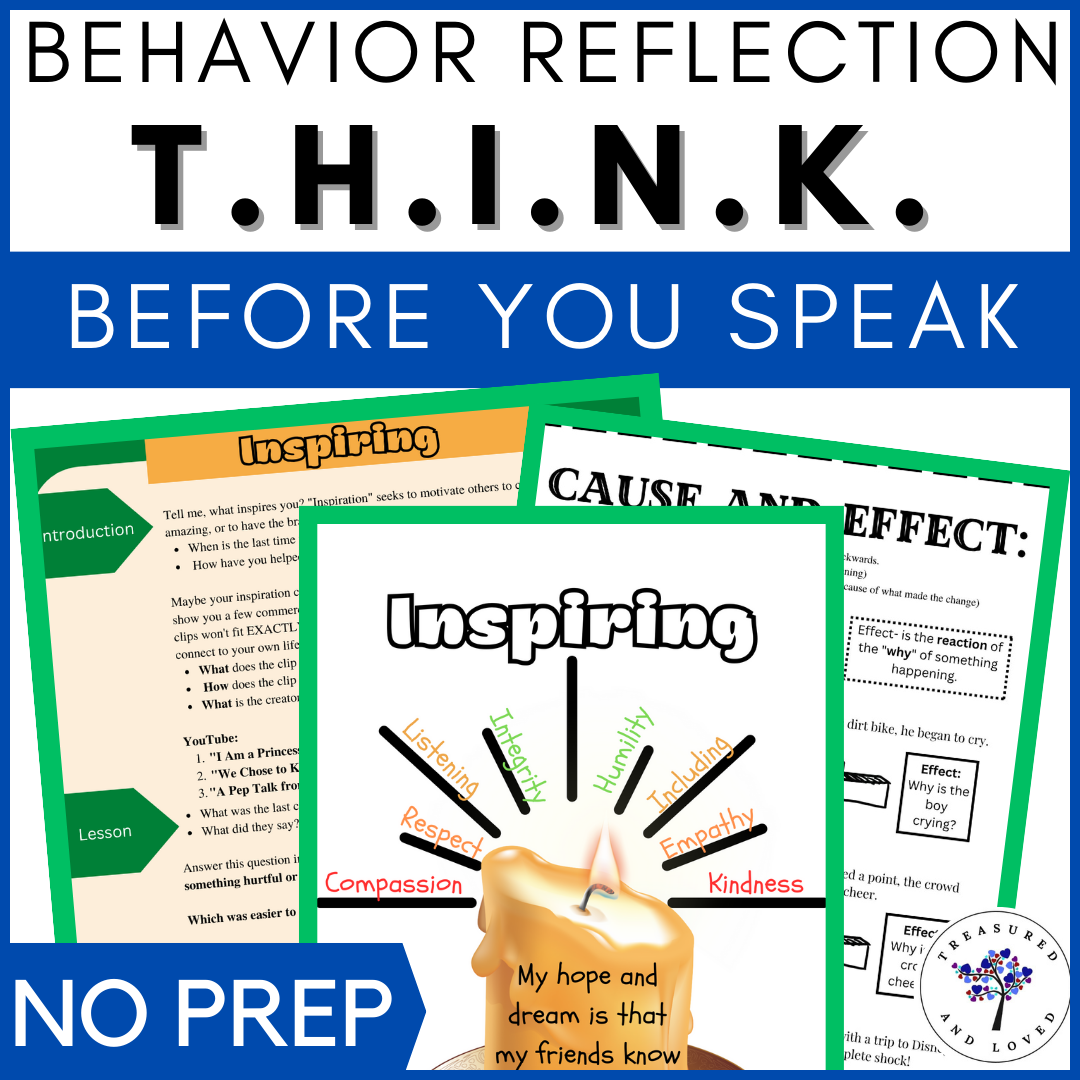


A Ready Made Resource for YOU!
Help your students to THINK Before They Speak with this ready made resource. This behavior reflection resource includes student THINK sheets, classroom posters, and no prep activities for 3rd & 4th grade. Your students will enjoy this engaging reflection activity guide as they learn to determine if their words are true, helpful, inspiring and important, necessary, and kind towards others.
Ways to Use These Resources:
- Morning Meeting
- End of Day Meeting
- Recess Drama Conversations
- Social Emotional Learning Lessons
- Substitute Teacher Lessons
- “I NEED A MOMENT” Days
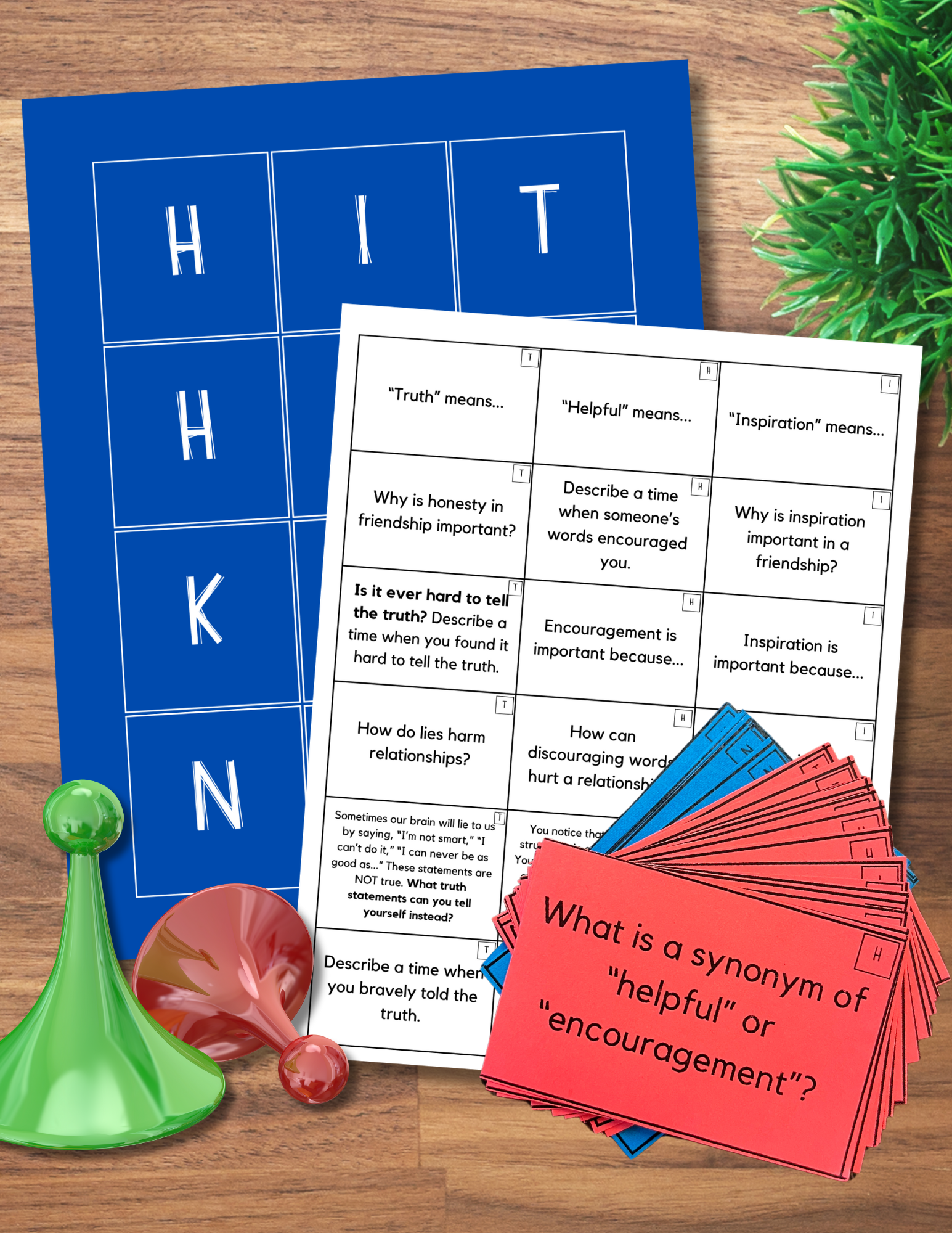
FREE T.H.I.N.K. Game
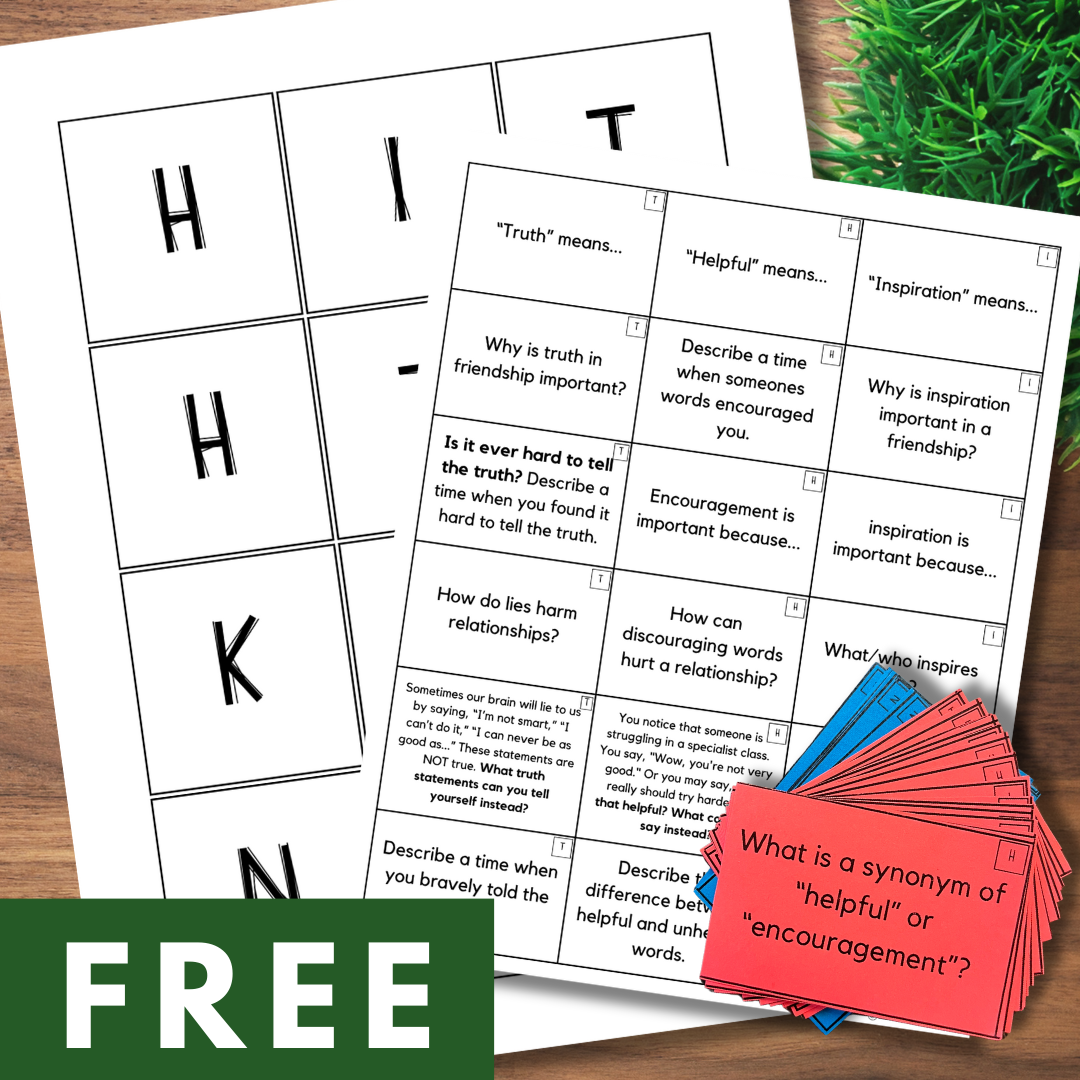
Enjoy this free collaborative classroom activity as you teach students to T.H.I.N.K. Before They Speak! Ready made game boards and over 60 game cards.
About the Author
As an elementary teacher for over a decade, and having a MA in Professional Counseling, I value creating effective resources for you to enjoy in the classroom. My goal is to ensure that you can trust that the material is ready to use, easy to implement, and produces positive classroom results.

 Treasured and Loved, LLC
You must be logged in to post a comment.